Supporting a Loved One Through Addiction: Family Counseling Tools That Encourage Recovery
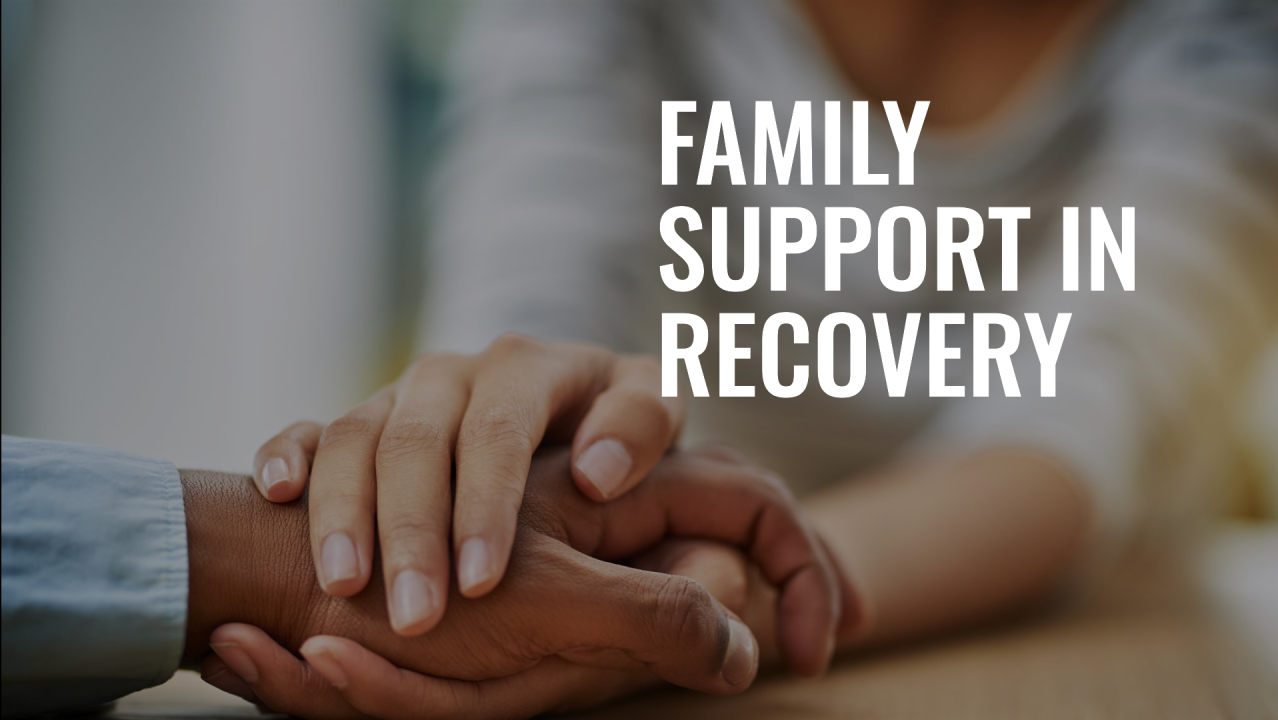
Addiction affects more than the person struggling with substance use. It can change family relationships, create financial and emotional stress, and leave loved ones unsure how to respond. Parents, partners, siblings, and children may want to help but worry about saying the wrong thing or making the situation worse. Family counseling provides practical tools that help loved ones support addiction recovery, establish healthy boundaries, and rebuild trust while protecting their own well-being. With professional guidance, families can become a source of encouragement without taking responsibility for another person’s recovery.
Supporting someone through addiction is rarely straightforward. There may be setbacks, difficult conversations, and periods when progress feels slow. Understanding addiction as a complex health concern rather than simply a lack of willpower can help families approach the situation with greater clarity. Family counseling offers a place to learn, communicate, and develop a more constructive plan for moving forward.
Understanding How Addiction Affects the Entire Family
Substance use can disrupt the routines and relationships that help a household function. Loved ones may experience anxiety, frustration, disappointment, or fear about what could happen next. They might also struggle with conflicting emotions, such as wanting to help while feeling hurt by previous experiences.
These reactions are understandable. Addiction can affect trust, communication, finances, parenting responsibilities, and emotional stability. Over time, family members may develop patterns that unintentionally make the situation more difficult.
For example, one relative might repeatedly cover financial problems to prevent embarrassment, while another responds with anger or strict demands. Although both may be trying to help, these different approaches can create additional conflict.
Family counseling helps relatives recognize these patterns and understand how their responses affect the household.
Recognizing Common Signs of Addiction
Families may notice several changes when substance use becomes a serious concern. These signs can vary depending on the person and the substance involved.
Common warning signs include:
- Increased secrecy about activities, spending, or personal relationships.
- Neglecting work, school, parenting, or household responsibilities.
- Frequent arguments related to alcohol or drug use.
- Financial difficulties or unexplained requests for money.
- Changes in sleep, appetite, mood, or personal appearance.
- Withdrawal from family members and previously enjoyable activities.
- Repeated attempts to reduce substance use without lasting success.
- Continuing to use substances despite health, legal, or relationship problems.
These signs do not replace a professional assessment. However, they can help families recognize when it may be time to encourage a conversation with an addiction treatment professional.
How Family Counseling Encourages Addiction Recovery
Family counseling helps loved ones understand addiction, improve communication, and make decisions that support recovery. Rather than focusing only on past mistakes, counseling encourages families to identify practical changes that can improve their relationships.
A counselor can guide conversations that may otherwise become arguments. This support can be especially valuable when family members disagree about treatment, boundaries, or what recovery should look like.
Improving Communication During Difficult Times
Communication often becomes strained when addiction is involved. Loved ones may feel that they have repeated the same concerns many times without being heard. Meanwhile, the person experiencing addiction may feel judged, misunderstood, or overwhelmed.
Family counseling introduces communication strategies that reduce blame and encourage honest discussion.
Helpful approaches include:
- Use specific examples: Describe behaviours that concern you instead of making broad accusations.
- Speak calmly: Choose an appropriate time to discuss difficult subjects.
- Listen actively: Allow the other person to explain their feelings without immediately interrupting.
- Avoid threatening language: Focus on clear expectations rather than statements made in anger.
- Acknowledge emotions: Recognize that fear, frustration, and disappointment may affect everyone involved.
For instance, saying, “I am worried because you have missed several important family commitments,” is generally more constructive than calling someone irresponsible. The first statement identifies a concern without attacking the person’s character.
Rebuilding Trust Through Consistent Actions
Addiction can damage trust, especially when there have been broken promises, secrecy, or repeated conflict. Although trust may take time to rebuild, families can begin by establishing realistic expectations.
Counseling helps relatives understand that trust develops through consistent behaviour rather than promises alone. This may involve honest communication, keeping agreed commitments, respecting boundaries, and acknowledging past harm.
It is also important to avoid expecting immediate forgiveness. Family members may need time to process their experiences, while the person in recovery needs an opportunity to demonstrate positive changes over time.
Setting Healthy Boundaries Without Withdrawing Support
One of the most important family counseling tools is learning how to establish healthy boundaries. Many relatives confuse helping someone with protecting them from every consequence of their actions.
However, repeatedly providing money, making excuses, or taking over responsibilities can sometimes enable continued substance use. These actions may come from love and concern, but they can prevent families from addressing the underlying problem.
Understanding the Difference Between Helping and Enabling
Supportive behaviour encourages responsibility and treatment. Enabling behaviour may unintentionally make it easier for someone to continue harmful patterns.
Consider the following examples:
| Supportive response | Potentially enabling response |
|---|---|
| Helping research treatment options | Paying debts caused by repeated substance use without addressing the pattern |
| Encouraging professional counseling | Making excuses for missed responsibilities |
| Offering transportation to treatment appointments | Providing money without understanding how it will be used |
| Maintaining respectful household expectations | Ignoring harmful behaviour to avoid conflict |
| Recognizing genuine progress | Treating promises as proof that recovery is complete |
Boundaries should be clear, reasonable, and consistent. For example, a family member might offer emotional support and transportation to appointments while refusing to provide money that could be used to purchase substances.
A counselor can help families establish boundaries that protect everyone without turning every interaction into a confrontation.
Protecting the Emotional Health of Family Members
Supporting someone with addiction can become exhausting. Relatives may experience ongoing stress, sleep difficulties, anxiety, or feelings of guilt. Some may neglect their own needs because they believe their loved one must always come first.
However, family members also need support. Individual counseling, family therapy, peer support groups, and healthy personal routines can help relatives manage the emotional demands of addiction.
Taking care of yourself does not mean abandoning someone who is struggling. It helps you maintain the stability needed to offer responsible support.
Finding the Right Addiction Treatment for Your Loved One
Family counseling can help relatives understand available treatment options, but the appropriate level of care should be based on a professional assessment. Each person’s substance use history, physical health, mental health, safety concerns, and living circumstances can influence treatment recommendations.
Outpatient Addiction Treatment
Outpatient treatment allows individuals to attend scheduled counseling or recovery sessions while continuing with many daily responsibilities. Depending on the program, services may include individual therapy, group counseling, relapse prevention education, and family involvement.
This option may be appropriate for people whose clinical needs can be safely managed without residential care.
Inpatient and Residential Treatment
Some individuals need a more structured treatment environment. Inpatient or residential care may provide closer supervision, consistent therapeutic support, and distance from environments associated with substance use.
The decision to enter this level of care should be made with qualified treatment professionals. In addition, withdrawal from certain substances can be medically dangerous, so anyone considering stopping alcohol or drug use should seek appropriate medical guidance.
Addressing Mental Health Alongside Addiction
Addiction and mental health concerns can occur together. Anxiety, depression, trauma-related difficulties, and other emotional challenges may contribute to substance use or make recovery more complicated.
For this reason, treatment planning should consider the person’s overall mental health rather than focusing exclusively on substance use. Integrated care may address both concerns through appropriate clinical services.
Family counseling can help relatives understand the connection between mental health and addiction. It also gives them practical ways to encourage treatment without attempting to diagnose or manage these conditions themselves.
Using Personalized Approaches to Support Long-Term Recovery
Recovery is not identical for everyone. A treatment approach that works well for one person may not meet another person’s needs. Effective planning should consider personal history, treatment goals, family circumstances, cultural background, and individual preferences.
Some people may benefit from evidence-based therapy combined with supportive wellness practices, such as mindfulness, physical activity, or stress management. Others may find that spiritual guidance or faith-based support provides an additional source of encouragement.
These approaches should complement appropriate professional treatment. They should never replace medical care, addiction counseling, or mental health services when those services are needed.
Encouraging Progress Without Creating Pressure
Families sometimes expect recovery to follow a predictable timeline. However, meaningful change can involve challenges and adjustments along the way.
Instead of focusing only on major milestones, relatives can recognize smaller positive steps, such as attending appointments, communicating honestly, following a treatment plan, or asking for help when cravings become difficult.
Encouragement should remain realistic. It is important to recognize progress while understanding that setbacks may require additional support and changes to the treatment plan.
Practical Ways to Support Recovery at Home
Family counseling becomes especially valuable when its lessons are applied outside therapy sessions. Everyday habits can help create a more stable home environment and reinforce positive changes.
Families can begin with several practical steps:
- Create predictable routines: Regular meals, sleep schedules, and shared responsibilities can provide structure.
- Reduce exposure to triggers: Discuss household situations, social activities, and relationships that may increase the risk of substance use.
- Encourage treatment participation: Offer practical help with transportation, scheduling, or childcare when appropriate.
- Communicate expectations clearly: Make sure everyone understands household rules and personal boundaries.
- Recognize emotional needs: Allow family members to express concerns without dismissing their experiences.
- Prepare for difficult moments: Work with treatment professionals to develop a plan for cravings, relapse risks, and situations that require additional assistance.
If a loved one returns to substance use, avoid treating the situation as proof that recovery is impossible. A return to use can signal that additional assessment or treatment adjustments are needed. Families should contact the person’s treatment team when possible and follow any established safety plan.
If someone is unresponsive, having difficulty breathing, experiencing a suspected overdose, or facing another immediate medical emergency, contact emergency services immediately.
Take the Next Step Toward Recovery Together
Addiction can place tremendous pressure on families, but loved ones do not have to manage these challenges without guidance. Family counseling offers practical ways to improve communication, establish healthy boundaries, rebuild trust, and understand the treatment options available.
Most importantly, supporting a loved one does not mean carrying the entire responsibility for their recovery. Professional addiction treatment, mental health services, and consistent family support can each play an important role.
If substance use is affecting someone in your family, consider reaching out to a qualified counseling or treatment professional. Starting the conversation may feel difficult, but it can open the door to better understanding, appropriate care, and healthier relationships. Recovery is an individual process, and families can take meaningful steps toward a safer and more supportive future together.